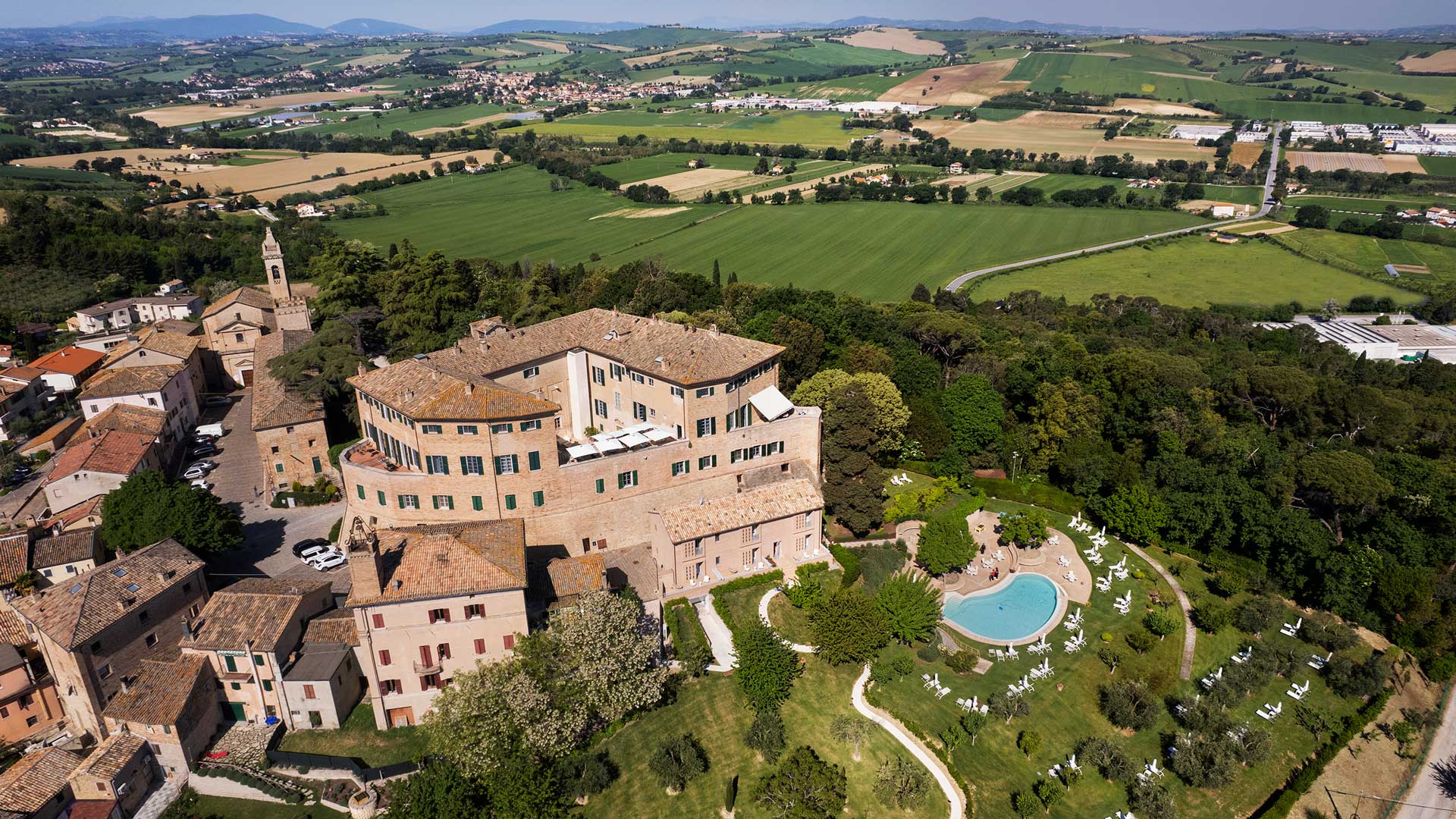


A place of magic and enchantment with a long history dating back to 1267
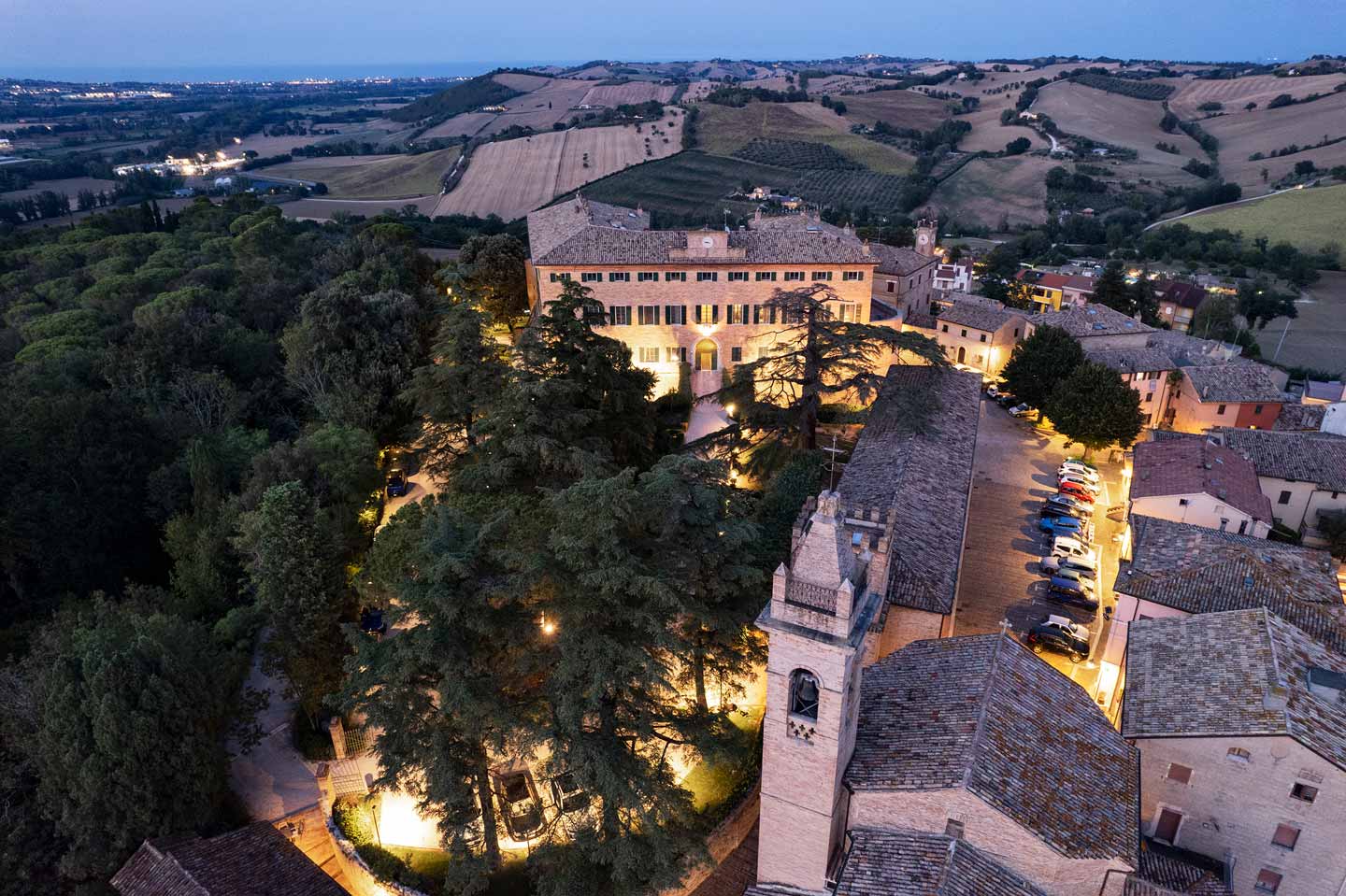
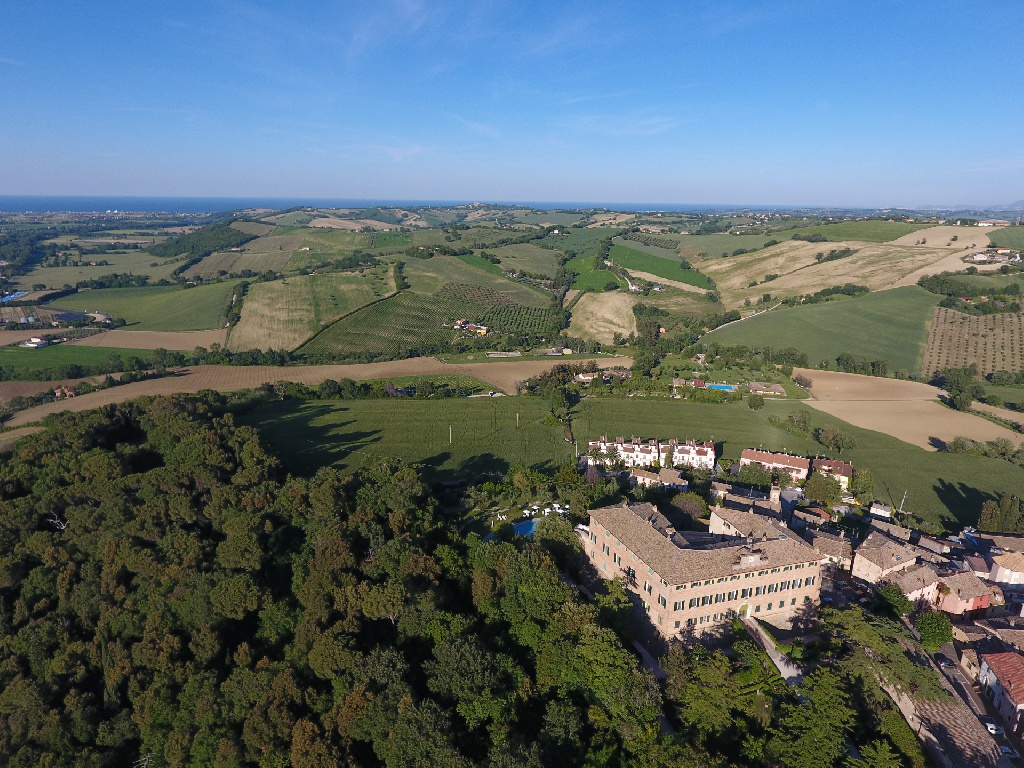
Castello di Monterado, situated on a Marche hillock overlooking the valley to the sea, boasts ancient origins dating back to 1267.
From a medieval fortified center it passed under the Duchy of Urbino and the Della Rovere family, only to be transformed in 1742 by the Jesuits into an imposing palace, a hub of agricultural and textile activities.
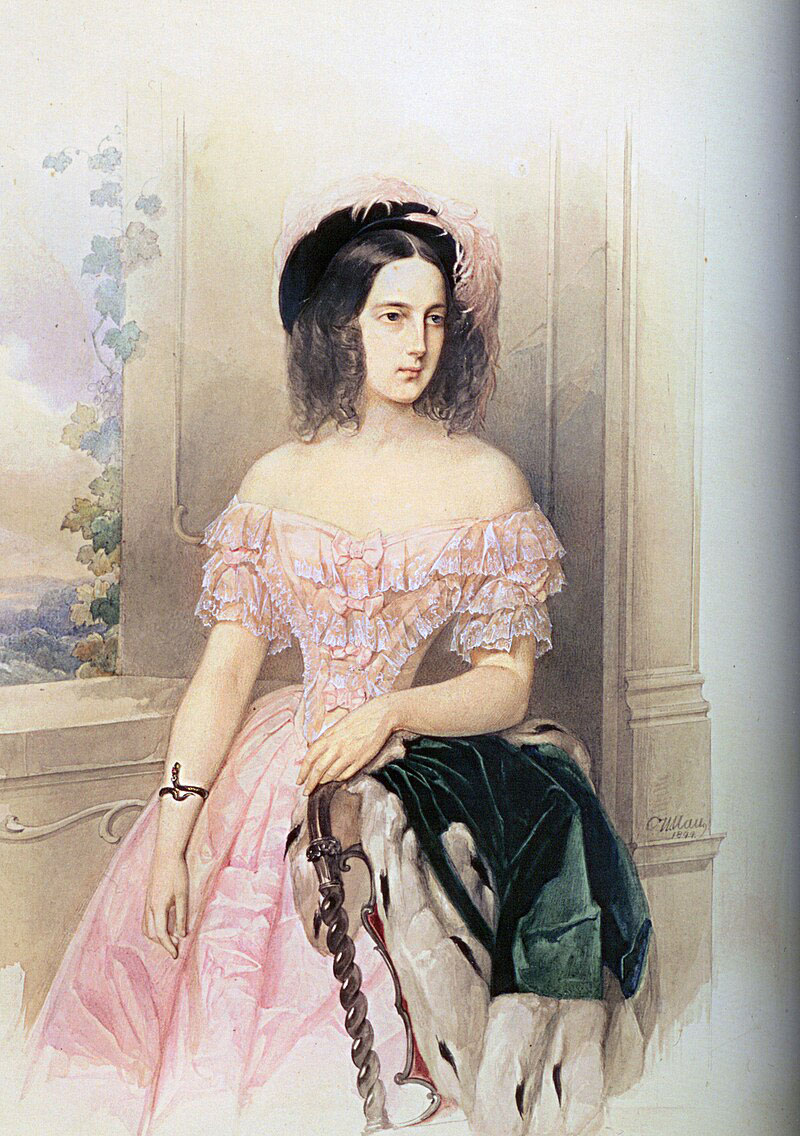
In the 19th century, it became the princely residence of Maximilian de Beauharnais, grandson of Josephine Bonaparte, who embellished it with frescoes and decorations on the occasion of his wedding to the tsar’s daughter.
The architectural design was inspired by Luigi Vanvitelli’s drawings, and today the castle preserves both its noble rooms and ancient internal chapel intact.
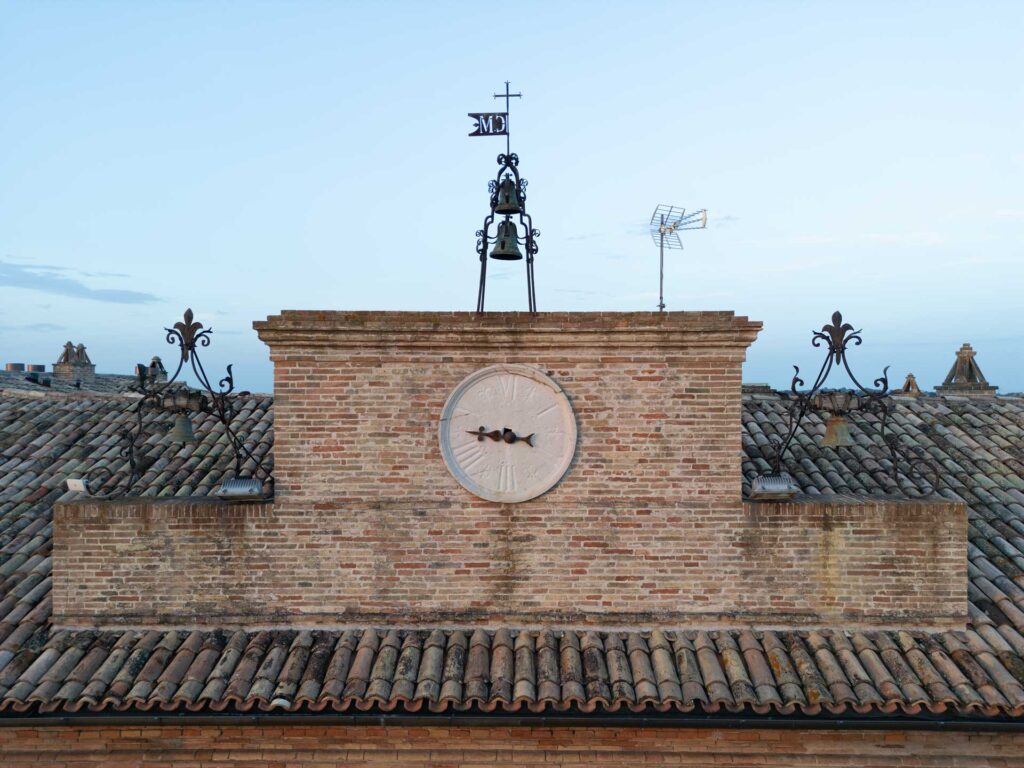
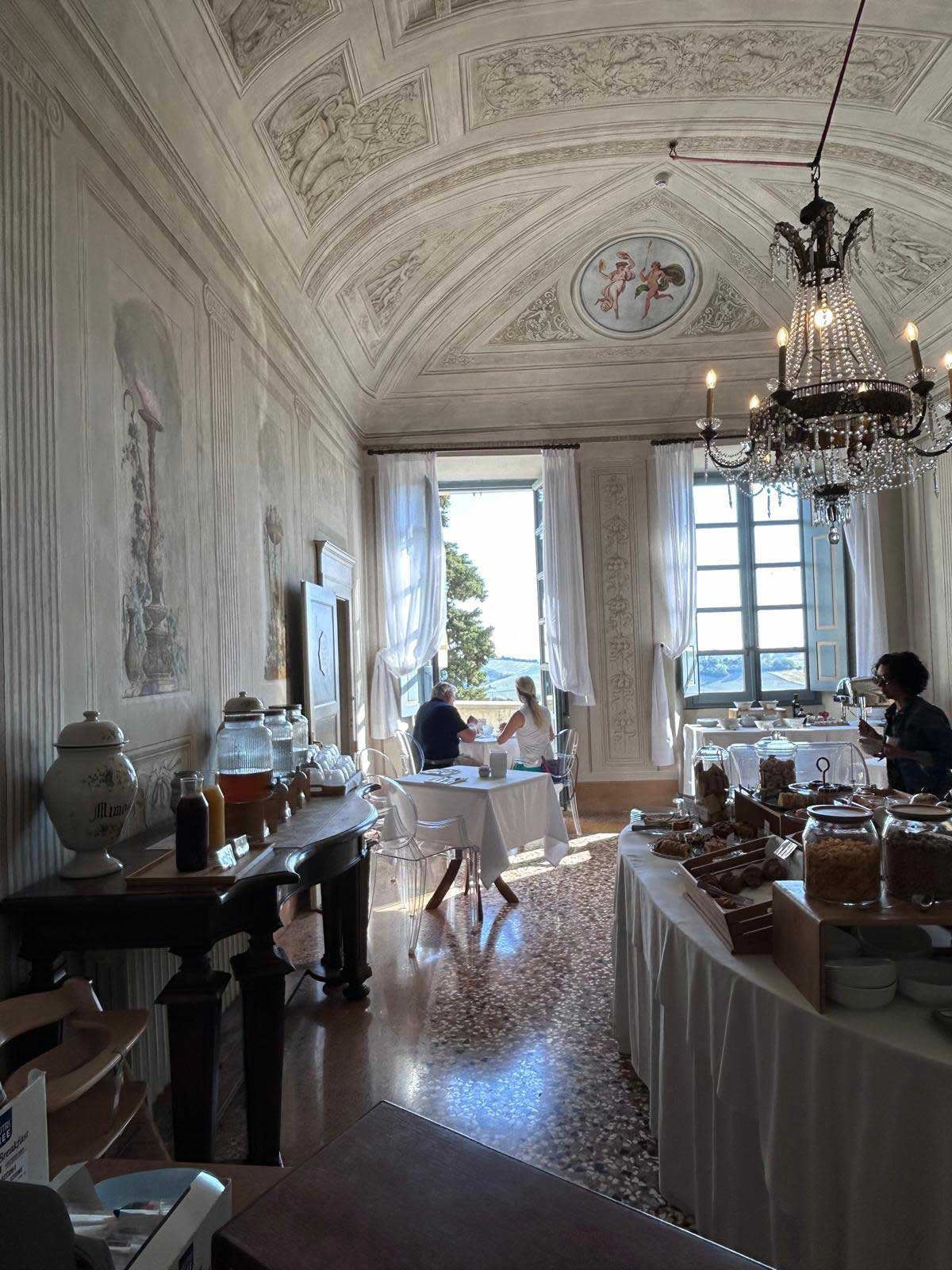
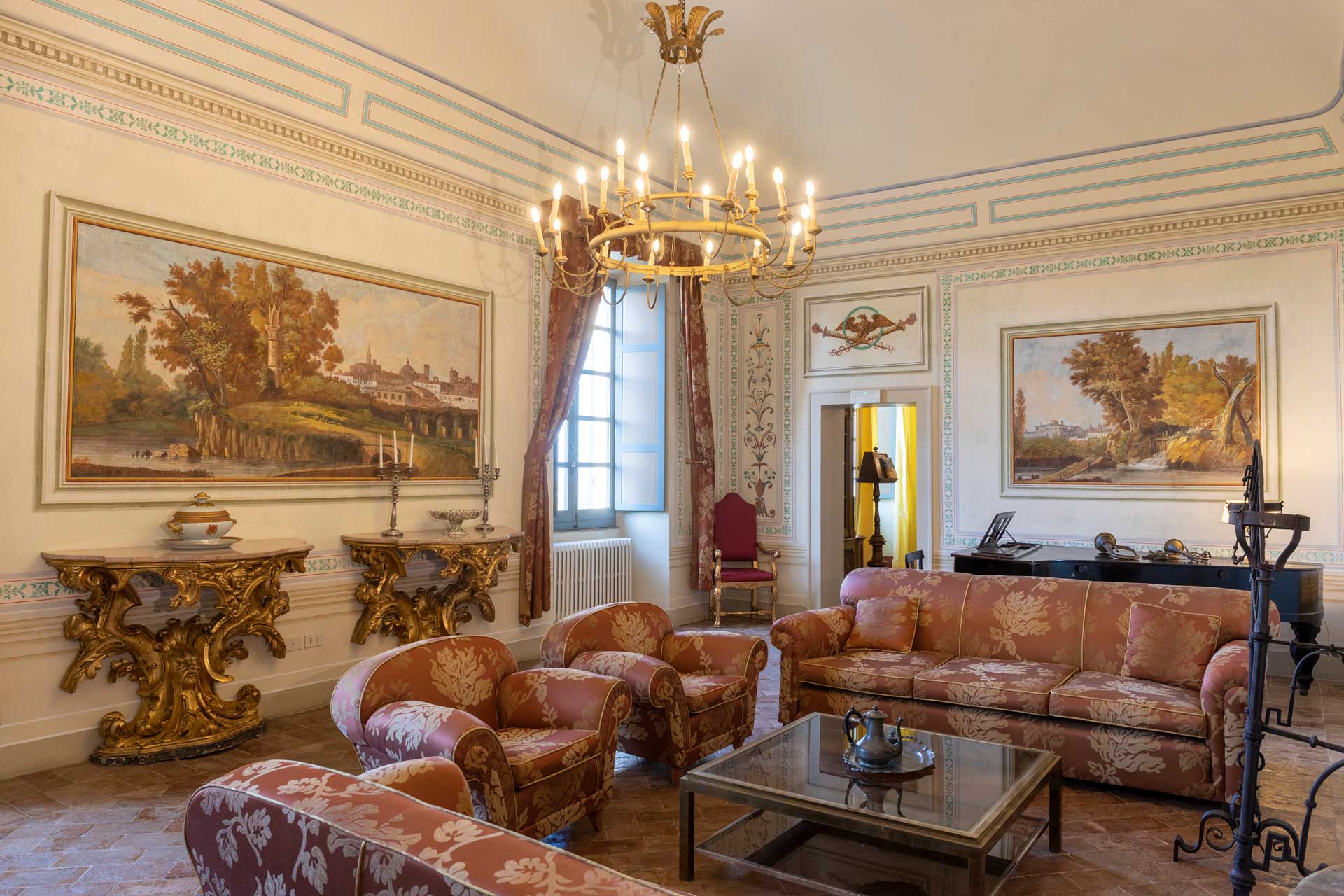
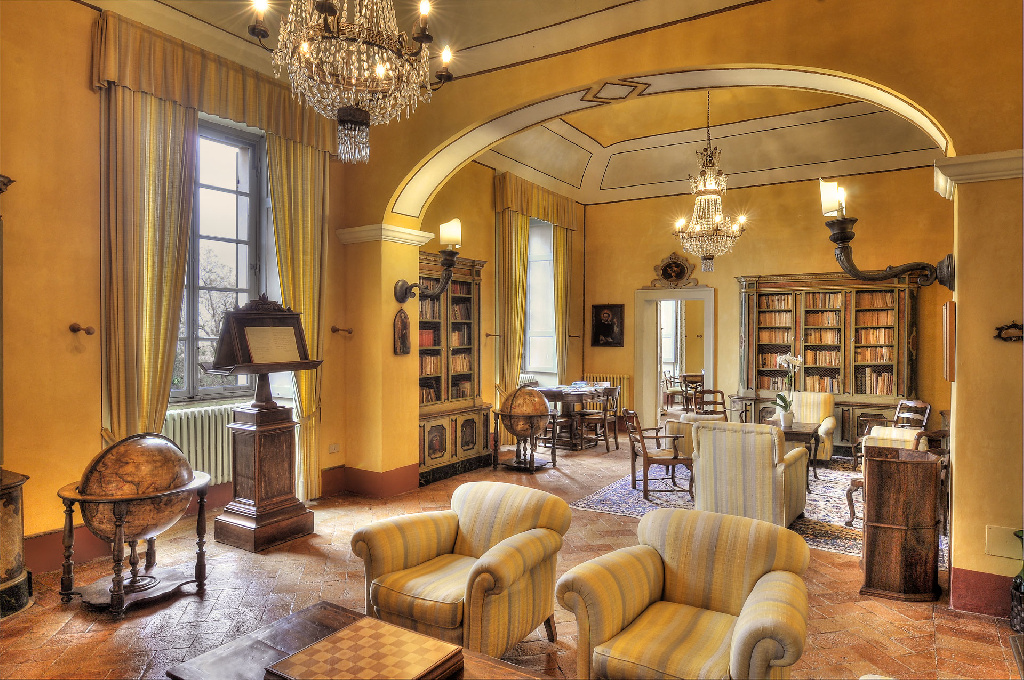
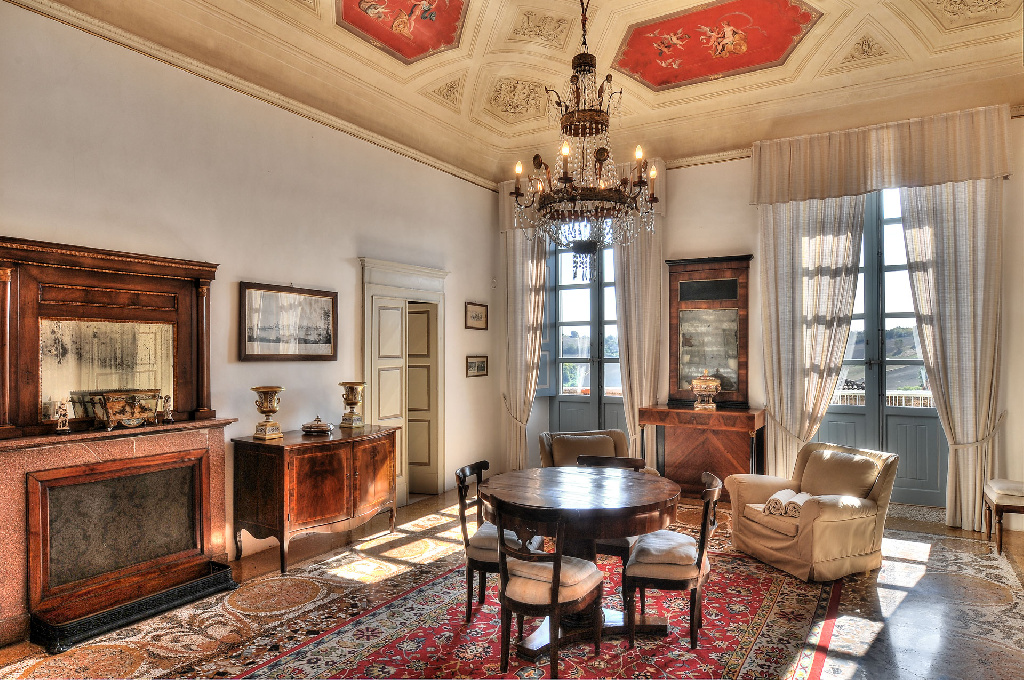
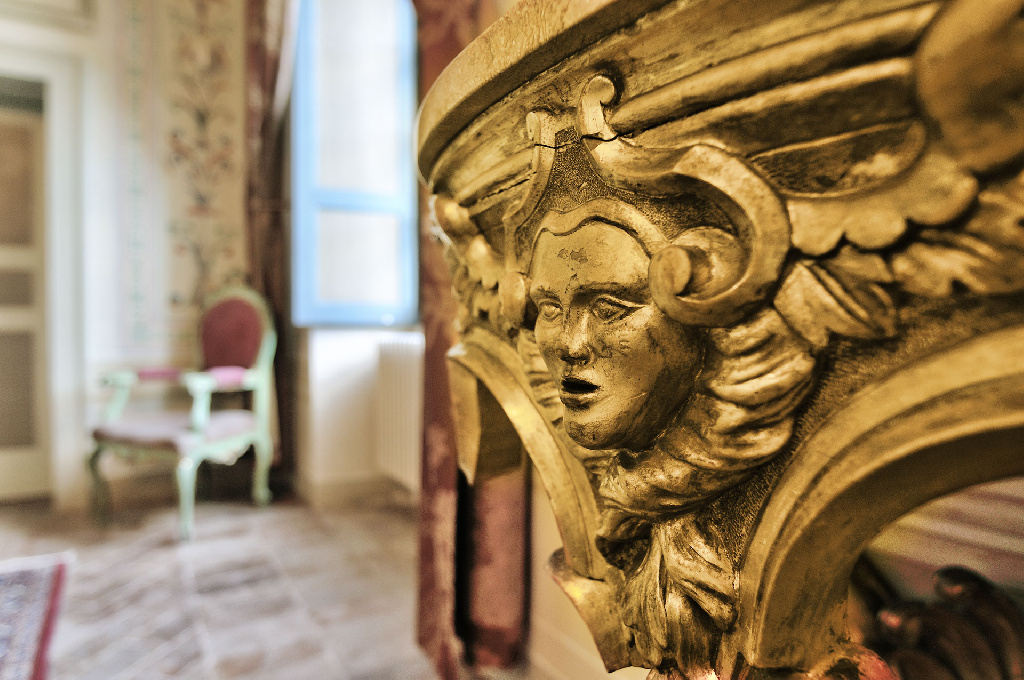
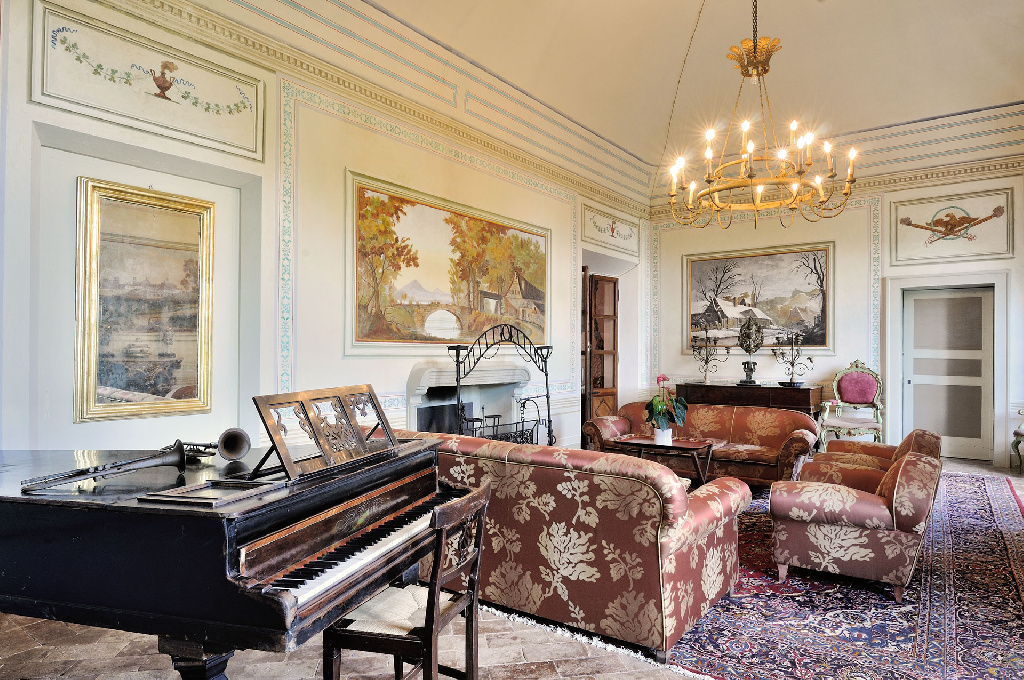
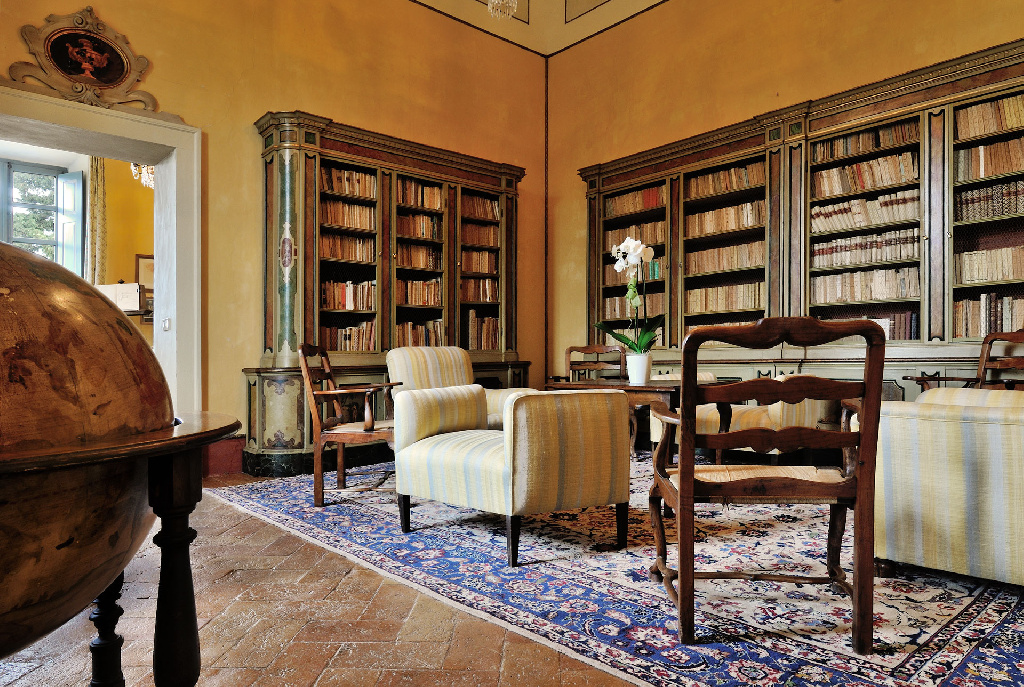
Castello di Monterado has everything you need for your relaxation
The Castello stands in front of the central square in the heart of the village of Monterado.
From the rooms of the Castello there is a striking panorama: the view sweeps gently over the surrounding hills and the Cesano valley, which rises from the shore of the Adriatic Sea toward the peaks of the Apennines. It will be a joy for us to open to you the spacious rooms and suites, all richly frescoed in the early 19th century by Corrado Corradi, one of the most highly regarded painters in the Marche region.
nature
The Secular Forest
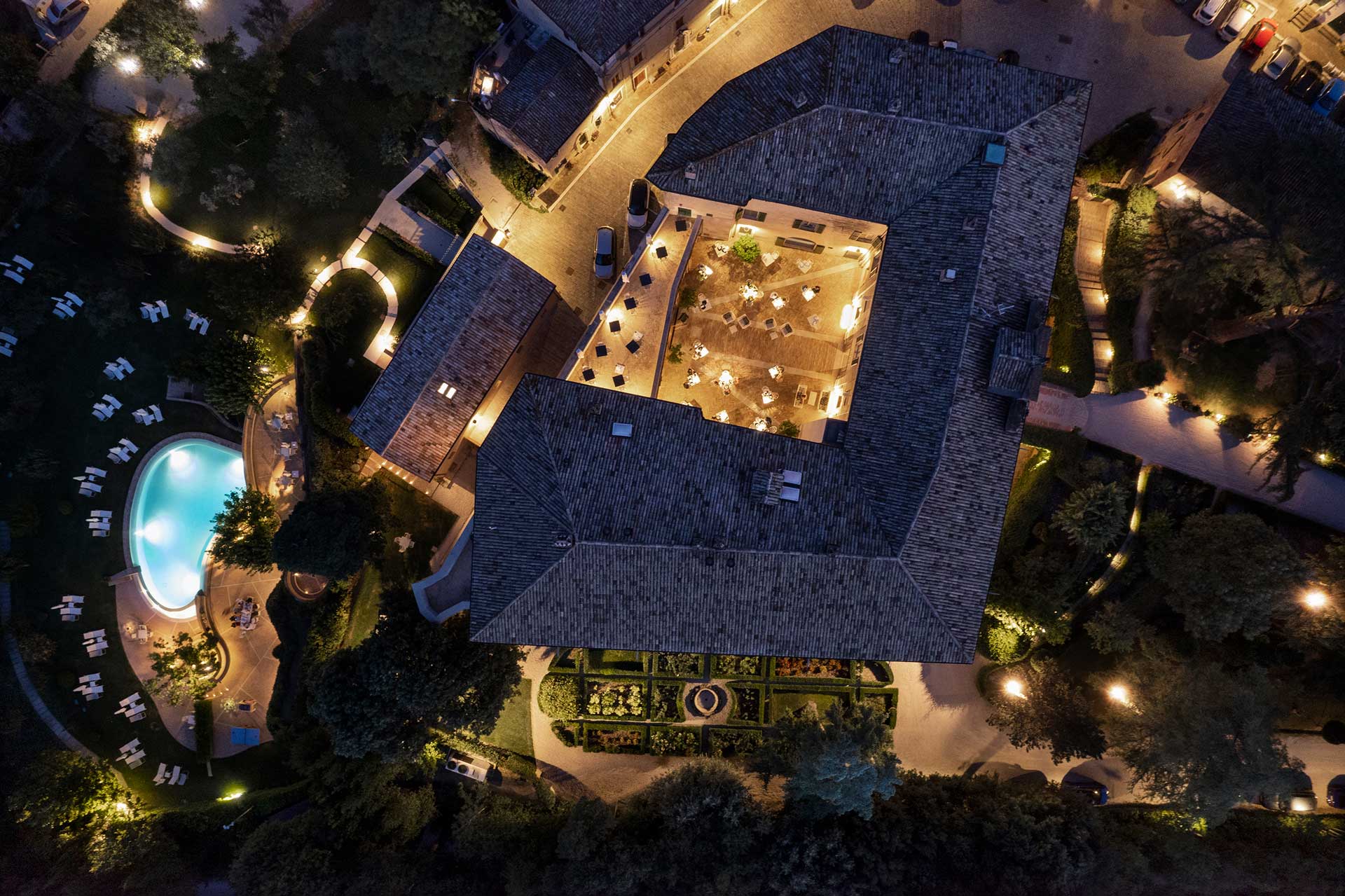
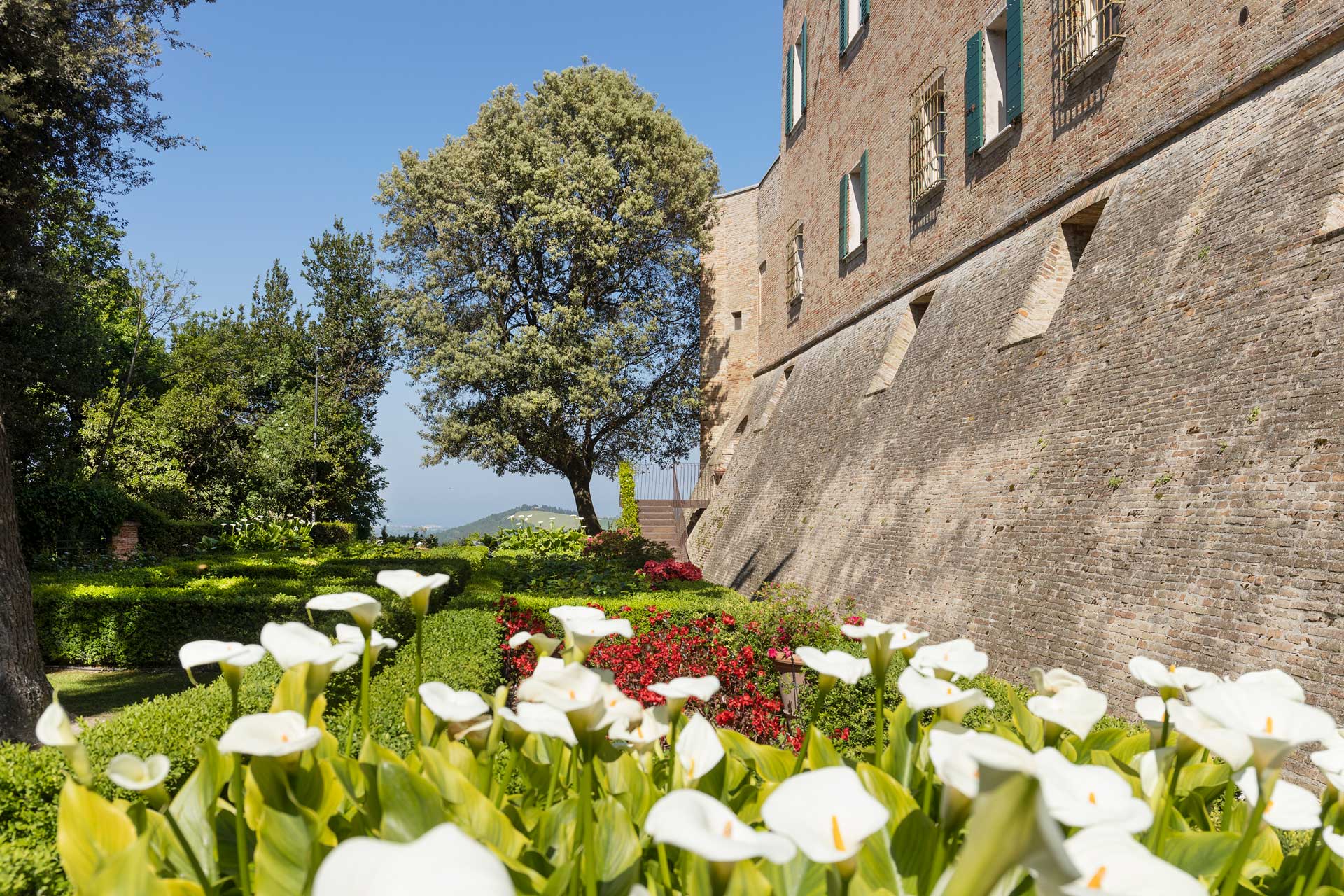
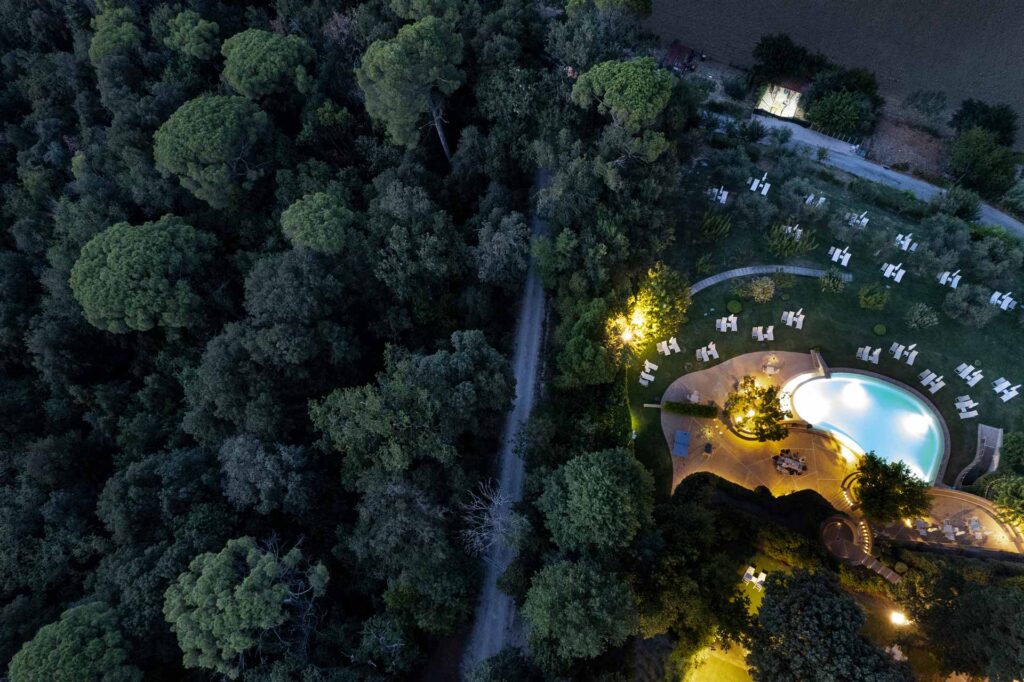
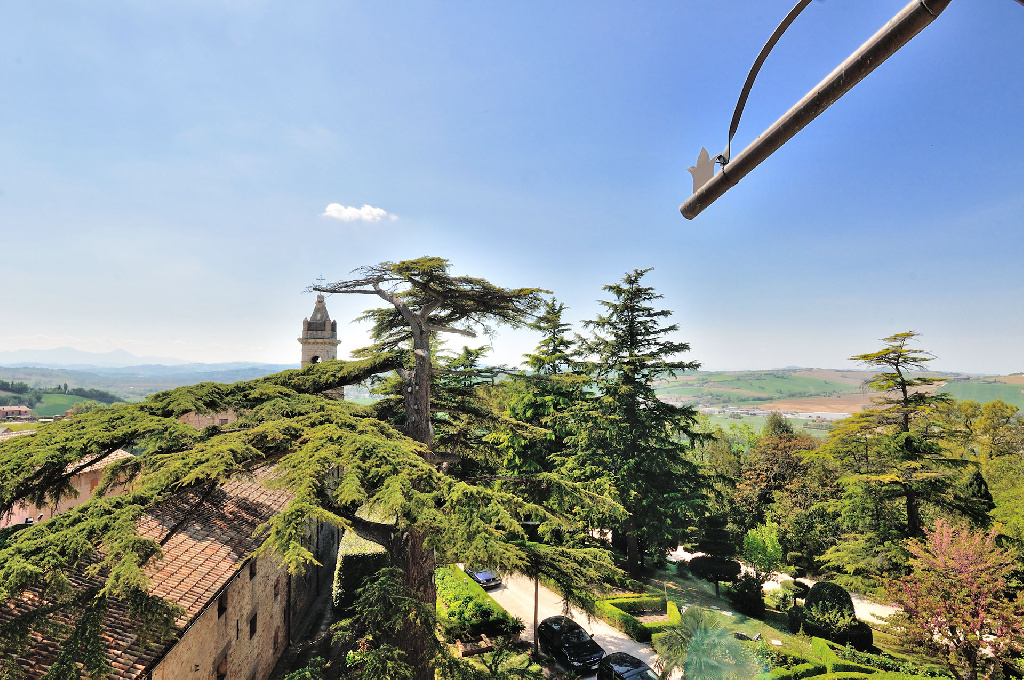
Surrounding the mansion is a forest of pines, centuries-old oaks, laurels and viburnums, planted by Count Cerasi in 1846. It is seven hectares of private parkland in which charming shady paths invite guests to enjoy the tranquility of the place and walks in living nature. Within the area, for some years now, deer, hares, porcupines, pheasants and squirrels have found a natural home, often showing themselves to visitors along the path. The palace garden, with typical Mediterranean scents, is filled with colorful roses, citrus plants and from flower beds and is shaded by giant Lebanon cedars.
Castello di Monterado
History of an extraordinary place
Overlooking the Cesano valley, a stone’s throw from the Adriatic Sea, the fortified village of Monterado holds a history that spans centuries, dynasties and revolutions. From its medieval origins to its rebirth as a charming residence, Monterado Castle is a living witness to time, art and human passions.
Medieval origins
Monterado was built in 1267, and just a century later, in 1379, it was fortified by solid defensive walls. At this time, like much of Le Marche, the village was under the influence of the Papal States.
In the period between 1285 and 1462, Monterado came under the control of the seigniory of the Malatesta, one of the most powerful families of Renaissance Italy, with Roman origins but a heart in Rimini. Later it was conquered by Federico da Montefeltro, the celebrated Duke of Urbino and patron of the arts, and finally assigned to the Della Rovere lineage, thanks to the dynastic union between Giovanni della Rovere and Giovanna, daughter of Federico himself.
Jesuit construction work
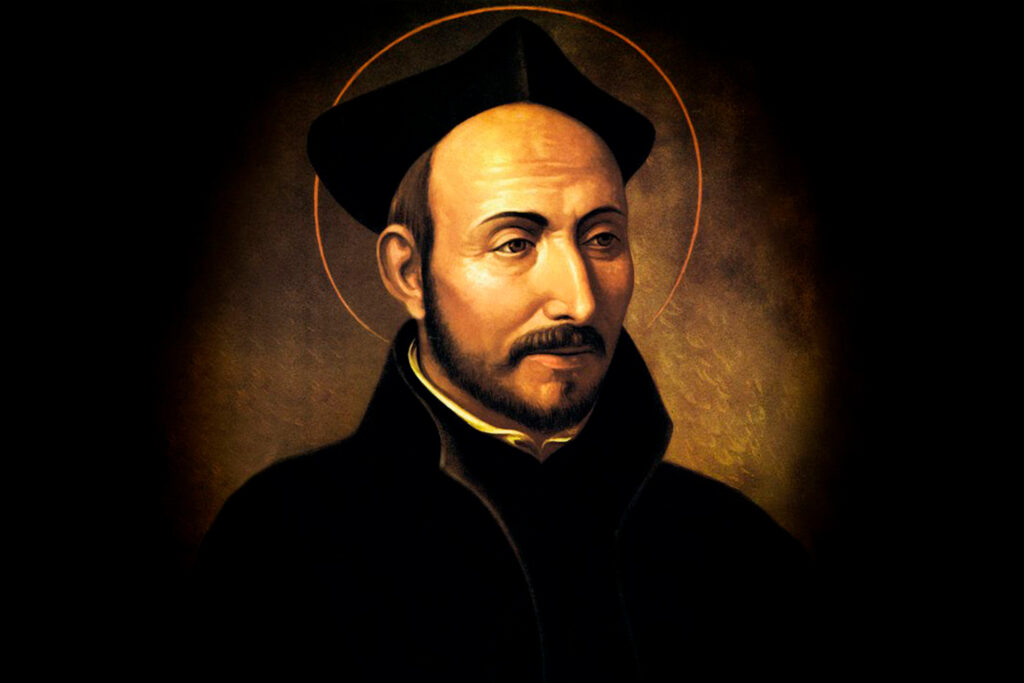
A profound change occurred in 1742, when the entire village was acquired by the German-Hungarian College of Jesuit Fathers. It was this religious order that radically transformed the appearance of the village. The Jesuits demolished the old civil and religious structures, used the defensive walls as a base, and commissioned the construction of the grandiose palace we know today as the Castle of Monterado, inspired by the renowned designs of architect Luigi Vanvitelli The new building became the center of Jesuit economic activities, including a textile factory, an agricultural production center and an administrative headquarters. At the same time, a small chapel was built in the inner courtyard, which still preserves an original painting dedicated to St. Ignatius of Loyola. Documentation of the purchase is preserved in the National Archives of the Jesuits in Rome.
As a testament to the forward-looking vision of the time, a cedar tree of Lebanon was planted in the garden, which at over 300 years old still imposingly dominates the landscape and the beautiful Italian garden.
An imperial love: Maximilian and Maria Romanova
In the early 19th century, the Castello experiences an unexpected season thanks to a romantic and visionary love. Maximilian of Beauharnais, son of Eugene (Napoleonic viceroy of the Kingdom of Italy), fell in love with Princess Maria Nikolaevna Romanova, daughter of Tsar Nicholas I of Russia.
The tsar accepts the union on the condition that Maximilian move to Russia, convert to the Orthodox religion, and raise their children as Russian princes. But before leaving, Maximilian wishes to enjoy a long Italian honeymoon with his beloved. He chooses Castello di Monterado specifically, which he transforms into a romantic and intellectual retreat.
He commissioned the painter Corrado Corradi to decorate the interior. Thus were born unique frescoes, among which the
Count Cerasi and the forest embracing the Castello
During the 1840s, the Church State thought it risky to continue with the appanage system, fearing that the Beauharnais might create a “state within a state.” So it was that Count Cerasi, a Papal State banker and hunting enthusiast, purchased the property in 1846. To him we owe the planting of the lush forest that still surrounds the castle, which has become the natural home of roe deer, hares, porcupines, pheasants and squirrels, which can often be seen along the paths that cross the estate. The count is also remembered for his works to improve and support the local population.
Wars and resistance
With the unification of Italy in 1861, Monterado was annexed to the Kingdom of Italy. During World War I, numerous young men from the village were called to the front: twenty of them would not return. A stone memorial is dedicated to them.
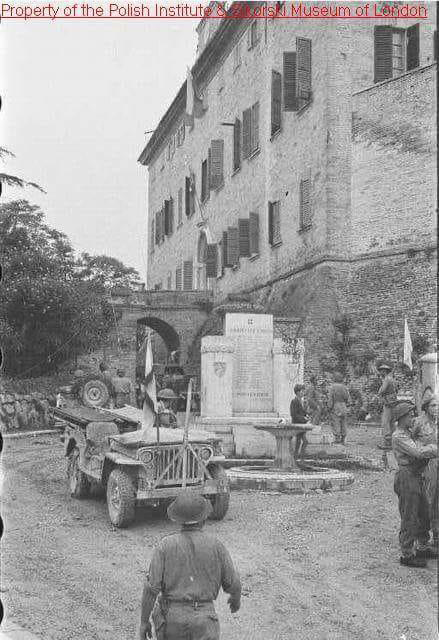
During World War II, the Castello is first occupied by the retreating German command, then by the Allied command. Polish, British and American troops settle there, including General Władysław Anders, commander of the Polish Expeditionary Corps in Italy.
The Castello cellars become a shelter for more than 600 evacuees, mainly from Senigallia. The large kitchen, with its bread oven, is essential to feed the population.
Marisa Cinciari Rodano: memory, art, resistance
Castello was also the summer home of Marisa Cinciari Rodano, mother of Andrea and grandmother of Angela and Orlando, who used to retreat to the quiet of the Marche countryside to paint, read and write. Marisa, from a Jewish family, was an active part of the anti-fascist resistance in Rome, in the ranks of the Catholic Communist Movement and in the Women’s Defense Groups. She was elected a member of parliament in 1948, and although she is remembered today as the one who instituted the mimosa symbol for the March 8 holiday, her cultural legacy is far broader. For example, we are almost certain that many volumes belonging to the Castello Library are found here precisely because she had inherited them-the Library to date has nearly two thousand volumes.
From restoration to rebirth
Thanks to the great efforts of Andrea Rodano, who spent himself to renovate the building, the enormous damage caused by the war is now a distant memory. Renovation work began thanks to him in 1989 and persisted over time, until his son Orlando in 2005 decided to open the doors of the historic mansion, transforming it into a charming residence. A gesture that not only restored splendor to Castello, but today allows visitors to immerse themselves in a place that has spanned, witnessed and guarded centuries of European history.